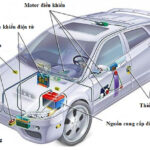


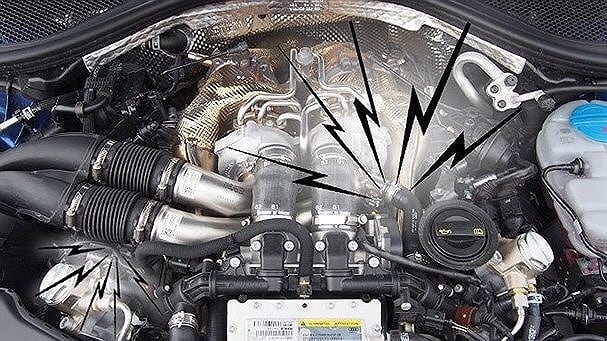
Repair of engine engine failures is based not only on the tools and machines, but also on the technician's experience in the phenomenon and condition of the car. The more experienced technician has a long career in the job, the faster and more accurate the diagnosis of engine failures.
This paragraph Thanh phong Auto shared with you the troubleshooting experience of automobile engine based on the phenomenon and operational status. Along track posts offline!
| Phenomena | Reason | Remedy |
|
The engine does not start the control system |
- Main relay does not work. - Poor contact of the ECU or motor. - Disconnection of ECU or injector ends. - ECU is faulty. |
- Check the ECU relay and power circuit. - Check the circuit. - Check the connections. - Check ECU with a diagnostic machine, check injector operation, if necessary replace ECU. |
| The engine does not start the fuel system |
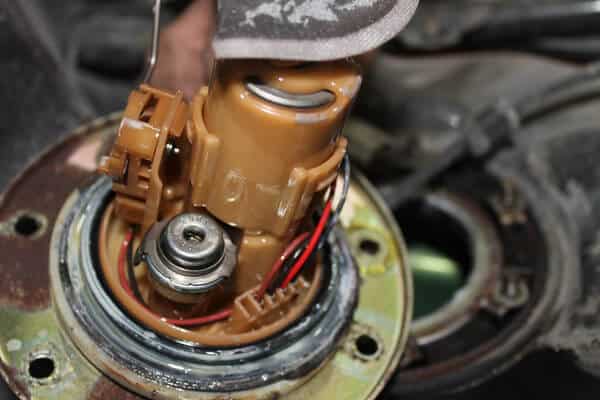
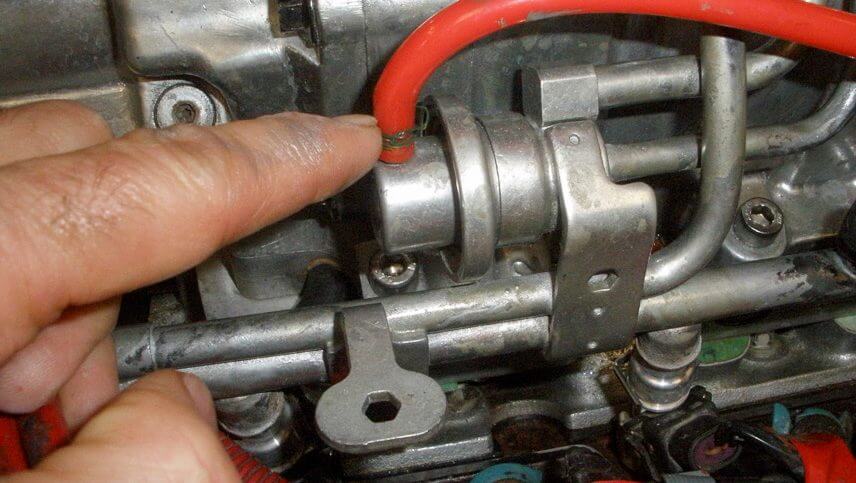
- Damage of the flow limit valve. - Lack of fuel. - Damage to the supply valve. - Poor fuel supply because the supply hose is bent |
- Check the opening pressure of the limit valve. - Check the amount of fuel in the tank. - Check for damage of shaft and supply pump safety valve. - Check the fuel transmission system |
| The engine does not start another system |
- Damage to the air heater. - Air in the fuel system. |
Check the air heater relay and ECU. - Air discharge. |
| Poor moderation |
- Damage to needle injection. - Air in the fuel system. - Damage to the input signal of the accelerator pedal. |
- Check injectors by speed test. If necessary, replace the injector. - Check the fuel lines. - Check and replace accelerator sensor. |
| White smoke |
- Leaking fuel into the combustion chamber. - Damage to the air heater. - Spraying at the wrong time due to damaged ECU. |
- Check for leaks and needle nozzles. If necessary, replace the injector. Check the air heater relay and ECU. - Check the ECU. If necessary, replace it |
| Lampblack |
Damage to injectors. - Damage to the intake air pressure sensor. - Spraying at wrong time due to damaged ECU |
- Check injectors by speed test. If necessary, replace the injector. - Check sensor with diagnostic machine. Check data output with sensor. - Check the ECU. Replace if necessary |
| Low engine power (poor acceleration) |
Damaged accelerator sensor. Damage to the water temperature sensor or the engine overheating. - Low fuel pressure. - Damage to the intake pressure sensor or abnormal intake pressure. - Dynamic fuel in winter. The electronically controlled fan clutch is not working. |
- Check the gas pedal signal. Replace if necessary. Check water cooled temperature sensor with diagnostic machine. Check cooling system, fan, thermostat. - Check fuel temperature sensor with diagnostic machine. Check fuel system. Check the intake air pressure with a diagnostic machine. Check the loading system. - Check fuel condition. - Check fan clutch circuit. Check for overheating with a diagnostic machine |
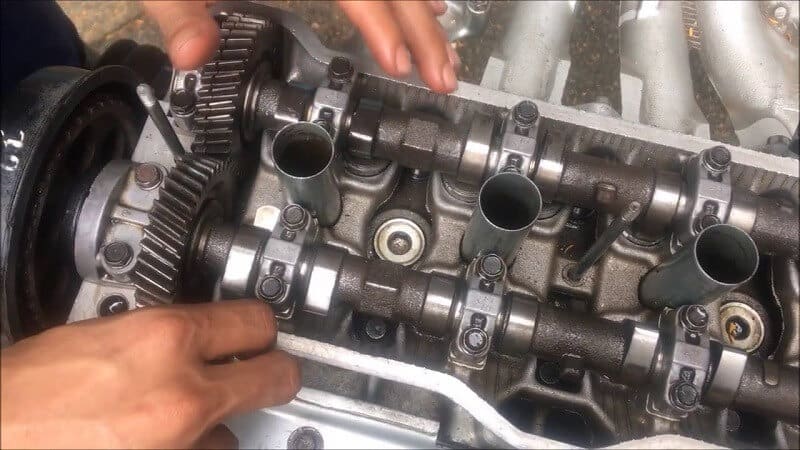
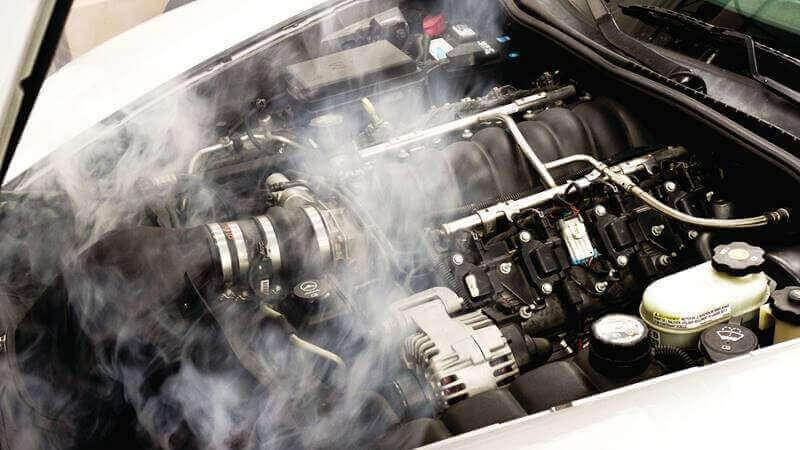
| Phenomena | Reason | Remedy |
| The engine does not start |
- The oil viscosity is not correct. - The fuel is not suitable. - Low compression pressure. - The gap is too much. - The engine cover seal is broken. - Carbon closure due to wear of the valve and the valve soles. - The spring tension is too much. - Worn or damaged piston ring. - Worn or damaged piston ring groove. - Worn piston and piston bushings. - Failure of the quick filter air heater. - Broken start switch. - Heating relay failure. - The spray rate is not correct. - Unusual spraying. - The timing of spraying is not correct. - The cooling system is working poorly. |
- Replace the pump system. - Replace fuel system. - Adjust or replace the electrical system. - Cooling system replacement adjustment. |
| Moderate unstable |
- The oil is not right. - The fuel is not suitable. Broken cooling system. - Low compression pressure. - The timing of fuel injection is not correct. - Broken fuel system. - Nozzle damage. - Air flow into the fuel system |
- Replace the pump system. - Replace fuel system. - Cooling system replacement adjustment. |
| Unusual exhaust color |
- The fuel is not suitable. Broken cooling system. - Failure of the intake and discharge system. - Air filter is clogged. - Oil flow in intake and exhaust pipes. - Low compression pressure. - Broken fuel system. - Nozzle damage. - The timing of fuel injection is not correct. - Consuming too much engine oil. Malfunction of the main drive system part. |
- Repair, cleaning and replacement. |
| Low capacity |
- Oil lubrication failure. Broken cooling system. - Charge / discharge system failure. - The air cleaner is clogged. - Silencer clogged. - Low compression pressure. |
- Repairing, cleaning or replacing |
| Damaged fuel system |
- Nozzle damage. - The fuel injection standard time is not appropriate. - The intake air flow in the fuel system. |
- Adjust or replace the fuel system |
| Consume too much oil |
- Oil leak in the lubrication system. - Oil leak in engine or related parts. - Broken gasket or oil seal. - Pull the oil out to the combustion chamber. - Worn cylinder or piston liner. - Worn, broken or stuck piston ring. - Piston block or oil ring hole. - Oil pouring from the valve to the combustion chamber - Worn body or pipe, xuplink guide. - Body felt worn off |
- Repairing, cleaning or replacing |
| Unusual noise |
- Noise around engine and details. - Loosen the connections between the hose and the hose. - Broken generator or other parts. - Stretch or damage the V-belt. - Assemble the crankshaft pulley wrong. - Broken air filter or muffler. - Noise from the hood of the trigger. - Broken chip slot. - The valve tension is broken. - Failure to cover the trigger and support. - Lubrication is poor in the gantry shaft. - Noise from flywheel cover. - The air coordination gear gap is not correct. - Poor lubrication on the mixing gears and the intermediate shaft. - Noise from crankcase or crankcase - Low compression pressure. - The timing of spraying is not correct. - Worn small end of transmission rod and piston pin. Worn or damaged crankshaft bearings and large head bearings. Worn or damaged main bearing crankshafts. - Too much torque on the crankshaft or camshaft. - Worn camshafts. |
- Tighten the details. - Adjust fuel system and electrical system. - Replace and adjust the cooling system. - Adjust and replace the engine system. - Replace the engine system. - Replace the motor propeller plate. |
Above, Thanh Phong Auto has shared with you some experiences of repairing motor cars according to status and phenomena. Thanh Phong Auto is a service provider of warranty, repair and refresh of prestige and quality cars in Ho Chi Minh City. If you want to take care of your beloved driver, contact Thanh Phong Auto. Thanh Phong will definitely bring you the most satisfied things.
See More Great Articles At Sharing translation experiences Of Thanh Phong:
Experience When Repairing Car Cooling Water Pump


Cars Care Service Price Sheet At Thanh Phong Auto HCMC VietNam:
* The cars that we have mechanics: Mercedes, BMW, Audi, Lexus, Toyota, Honda, Mazda, Mitsubishi, Kia, Daewoo, Hyundai,Ford, Nissan, Volkswagen, Porsche, Chevrolet, Rand Rover, Innova, Fortuner, Vios, Fiat, Bugatti, Ferrari, Bentley, Hummer , Chrysler, Dodge, Renault, Cadillac, Volvo, Subaru, Daihatsu, Ssangyong, Roll-Royce, Peugeot, Smart Fortwo, Tobe M'car, Luxgen, Zotye, Haima, Geely, Baic, Hongqi, Cmc, Mini Cooper, Buick, Opel, Acura, Aston Martin, Vinfast, TQ Wuling.
To keep your vehicle running properly at all times, we offer a number of services that are carried out by our certified, expert auto service and repair technicians who have years of experience performing everything from oil changes to a complete engine overhaul.



LEAVE COMMENT