
Car Engine Coolant: Classification, How to Check & Buy

car engine coolant
Latest update date: February 21, 05

Car engine coolant plays a key role in maintaining the performance and longevity of your vehicle. This solution, usually a mixture of distilled water and ethylene glycol, acts to dissipate heat generated by fuel combustion, preventing the engine from overheating and protecting metal parts from corrosion.

In the modern automotive world, coolant plays a key role in maintaining stable engine operation. With combustion chamber temperatures reaching up to 2.000°C during operation, an effective cooling system becomes the “second heart” of the vehicle. Statistics show that about 40% of serious engine failures are related to the cooling system, of which 25% originate from the use of the wrong type or poor maintenance of coolant.

Research by the Society of Automotive Engineering (2023) shows that an improperly cooled engine can suffer serious damage after just 3-5 minutes of operation at combustion chamber temperatures of 2.000°C.

This paragraph, Thanh Phong Auto will provide detailed information about 4 popular types of coolant on the market (from traditional IAT, OAT, HOAT to new generation P-OAT), warning signs of problems, inspection and replacement procedures, along with experience in choosing the best product, helping you understand the importance of coolant and how to use it effectively.

car engine coolant
AZ of car engine coolant

What Is Car Engine Coolant and Why Is It Important?

Car engine coolant is a specialized solution consisting of 50% ethylene glycol or propylene glycol combined with 50% distilled water, whose task is to maintain the ideal operating temperature of the engine. 

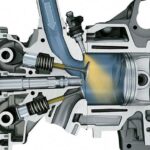
When the engine burns fuel, the heat generated can reach up to 2.000°C in the combustion chamber, 20 times higher than the safe operating temperature of the engine. If not cooled in time, the excessive temperature will cause serious damage to the engine such as deformation of parts, piston burning, leakage, and even explosion.

The coolant has the task of absorbing heat from the cylinder wall, combustion chamber and transferring heat to the outside through the radiator. Thanks to that, the engine temperature is always maintained at an ideal level of about 90-105°C. 

In addition, this solution also has the effect of lubricating, preventing corrosion and anti-freezing for the parts in the cooling system. Therefore, using and maintaining coolant properly is very important to ensure the engine operates safely, efficiently and durably.

What Types of Car Engine Coolant Are There?

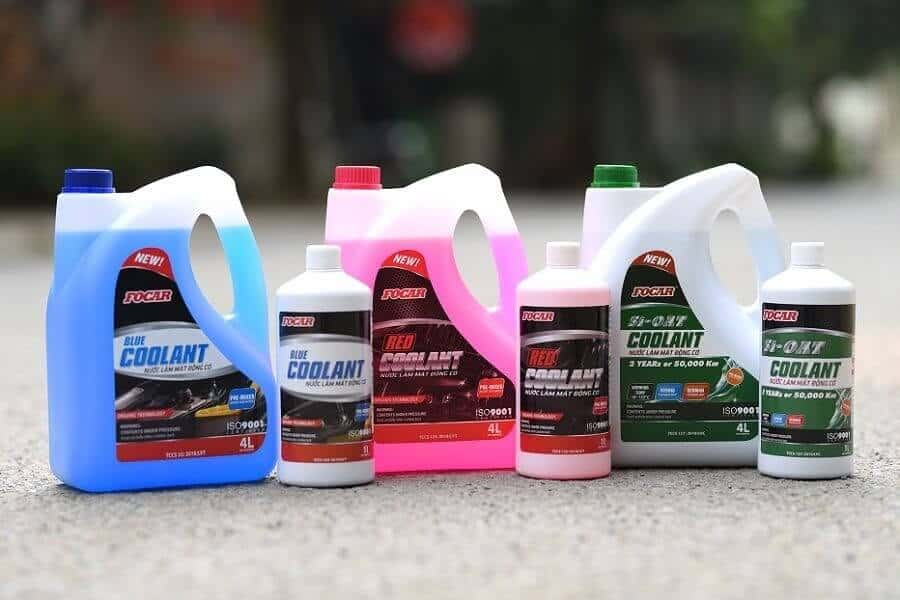
There are four main types of engine coolants: cheap, short-lived conventional coolant (IAT); long-lived, low-sediment organic coolant (OAT); mixed coolant (HOAT) with advantages; and very long-lived P-OAT coolant, used for Japanese/Korean vehicles. Choosing the right type of coolant is important for engine efficiency and protection.

1. Traditional coolant (IAT – Inorganic Additive Technology)

Traditional coolant, also known as Inorganic Additive Technology (IAT) coolant, is the oldest and most popular type of coolant on the market for decades, especially in vehicles manufactured before the late 1990s.

  • Advantages: Low price, good cooling capacity.
  • Disadvantages: Short usage time (2-3 years), easy to create residue.
  • Application: For use on older vehicles, manufactured before organic coolant (OAT) and mixed coolant (HOAT) technologies became popular.
Traditional coolant
Traditional coolant

2. Organic coolant (OAT – Organic Acid Technology)

Organic Acid Technology (OAT) coolant is a more advanced type of coolant than conventional coolant (IAT). Instead of using inorganic additives such as silicates and phosphates, OAT uses organic acids, usually carboxylates, to prevent corrosion in the cooling system.

  • Advantages: Long life (5-10 years), low residue, stable performance.
  • Disadvantages: Higher cost than IAT.
  • Application: Used for new generation vehicles, especially those with engines made of aluminum or aluminum alloy.
Organic coolant
Organic coolant

3. Hybrid Organic Acid Technology (HOAT)

Hybrid Organic Acid Technology (HOAT) coolant is a combination of Inorganic Additive Technology (IAT) and Organic Acid Technology (OAT). It is designed to take advantage of the advantages of both technologies, providing better protection for the vehicle's cooling system, especially for newer vehicles that have many aluminum parts but still need protection for other metals.

  • Advantages: Reasonable cost, good cooling and corrosion resistance.
  • Disadvantages: Not suitable for some older car models.
  • Application: Widely used in many types of vehicles, especially American cars (such as Ford and Chrysler) and some European and Asian manufacturers.
Mixed coolant
Mixed coolant

4. P-OAT (Phosphate Organic Acid Technology) coolant

P-OAT (Phosphate Organic Acid Technology) coolant is a special type of mixed coolant (HOAT), designed primarily to meet the requirements of Japanese and Korean automobile manufacturers. The main difference between P-OAT and other HOATs is the use of phosphate as one of the inorganic additives, combined with organic acids (carboxylates).

  • Advantages: Very long life (over 10 years), strong protection for the engine.
  • Disadvantages: Most expensive of all coolants.
  • Application: Used for cars and light trucks of Japanese manufacturers (such as Toyota, Honda, Nissan, Mazda, Subaru, Suzuki) and Korean manufacturers (such as Hyundai, Kia).
P-OAT Coolant
P-OAT Coolant

Signs, Causes & How to Fix Coolant Related Problems

Coolant-related problems can have a serious impact on engine performance. Early recognition of warning signs, identification of the cause, and prompt action are essential to avoid costly damage.

1. Warning signs

Warning signs that your car's coolant is having problems include:

  • The engine temperature warning light is on or flashing on the dashboard.
  • Steam or smoke coming from the hood.
  • Coolant smell (sweet, strong) in engine compartment.
  • Water leaks and pools under the car.
  • Engine overheating, instability, reduced power.

2. Common causes

Cars lose coolant quickly mainly due to 5 reasons: cooling system leak (accounting for 42% of cases), water pump failure (27%), radiator blockage (15%), use of substandard coolant (10%), and temperature control system failure (6%), according to a 2023 study by the Institute of Automotive Engineering.

  • The coolant level in the radiator and sub-reservoir is too low due to leaks or evaporation. According to a Toyota survey, 68% of vehicles over 5 years old have problems with leaks at hose connections or the radiator.
  • Damaged water pump, radiator fan, expansion tank cap: Water pumps usually have a lifespan of 60.000-90.000km. When damaged, the circulation pressure drops by 40-60%, reducing cooling efficiency and increasing engine temperature by 10-15°C.
  • Blocked radiator and pipes: Dirt, rust or mineral build-up can reduce radiator cooling efficiency by 25-35% after 40.000km if not cleaned regularly.
  • Automotive coolants should have an ethylene glycol concentration of 30-50%. Excessive dilution reduces the boiling point (from 129°C to 105-110°C) and corrosion resistance.
  • When the temperature sensor and thermostat are broken, the engine cannot maintain the ideal operating temperature of 80-95°C, leading to overheating.

3. Temporary and permanent fixes

Temporary and permanent fixes for car coolant problems by:

  • When detecting any abnormal signs, stop the vehicle immediately in a safe place and turn off the engine.
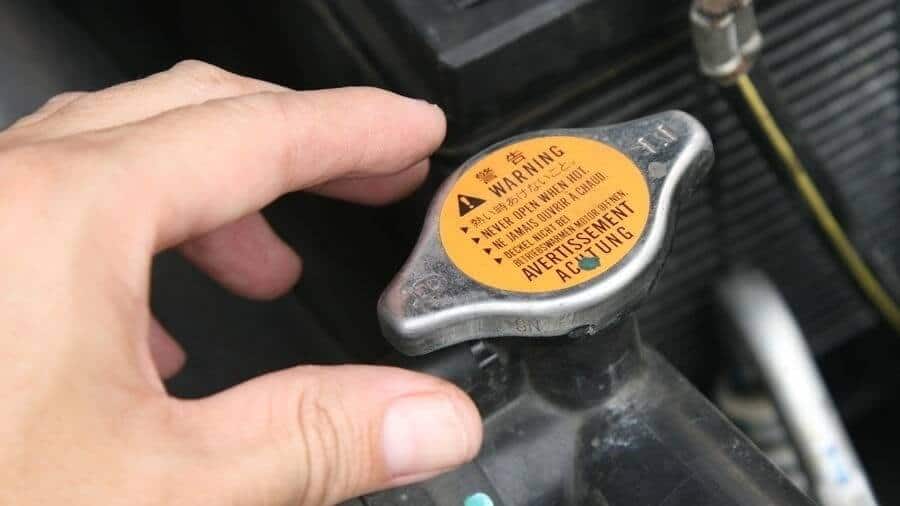
  • Open the hood to help the engine cool faster, avoid opening the radiator cap when it is still hot.
  • Check and add coolant to the sub-reservoir if the level is low.
  • If the water tank is leaking or cracked, you can use specialized glue or insulation tape to temporarily fix it.
  • Take the car to a reputable garage to check, clean the radiator, and replace damaged parts.
  • Change the coolant periodically as recommended by the manufacturer (usually every 40.000 – 160.000 km).

According to a survey by the Vietnam Register in 2023, 78% of serious engine incidents related to coolant could have been avoided if handled early.

How to Check, Replace and Maintain Car Engine Coolant?

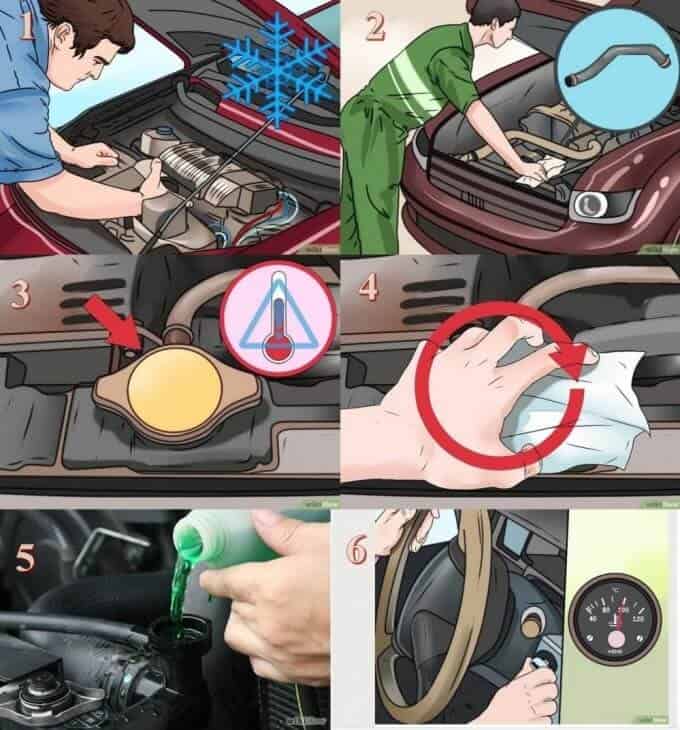
To keep the cooling system running smoothly and efficiently, you need to perform the following coolant inspection, replacement and maintenance procedures:

  • Periodically check the coolant level in the sub-reservoir when the engine is cold. The level should be between the Min and Max lines. If it is low, add coolant up to the Max line. According to a survey of 1.200 car owners by the American Automobile Maintenance Association (2024), maintaining the correct coolant level reduces engine overheating by 27%.
  • Observe the color and cleanliness of the coolant. If the water is cloudy, has dirt, oil or rust, it needs to be completely replaced.
  • Before replacing the coolant, drain the old water from the radiator and the auxiliary tank. Use a specialized cleaning solution to thoroughly clean the radiator and the entire cooling system.
  • Prepare new coolant by mixing distilled water and antifreeze in a 50:50 ratio (or according to the manufacturer's instructions). Do not use tap water or plain water. Research from Michigan Technological University (2022) shows that using tap water or plain water containing minerals (calcium, magnesium) at an average concentration of 50-200 ppm will cause limescale in the system, reducing cooling efficiency by 32% and increasing the risk of metal corrosion by 47%.
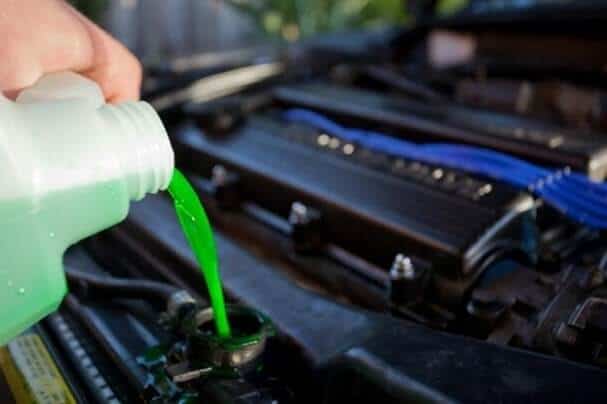
  • Fill the radiator and reservoir with new coolant mixture until full. Start the engine and allow the coolant to circulate through the cooling system.
  • Check coolant level and for signs of leaks. Top up if necessary. Securely close radiator and reservoir caps.

Note that you should only maintain the coolant yourself if you have the necessary knowledge and tools. It is best to let professional mechanics do this job to ensure safety and proper technique.

- Car Engine Coolant: Classification, How to Check & Choose to Buy
How to check and replace car engine coolant

For example, if your vehicle uses OAT coolant, you should replace it after 5 years or 240.000 km. However, if you frequently drive in harsh conditions such as hot, dusty or heavy loads, you should shorten the replacement cycle to ensure optimal cooling efficiency.

What Experience Should You Have When Choosing to Buy Car Engine Coolant?

To choose the best coolant product for your car, you should choose a reputable brand with clear origin. 

  • Read the product packaging specifications and instructions carefully. Make sure they match the vehicle manufacturer's recommendations.
  • Choose the coolant type appropriate to the climate conditions and operating intensity of the vehicle (IAT, OAT, HOAT or P-OAT).
  • Consult with experts, experienced mechanics or people who have used the product.
  • You should buy coolant at authorized and reputable stores and dealers. Avoid buying floating products of unknown origin on the market.
  • Compare prices between similar products from different brands. Choose a price that fits your budget but still ensures quality standards.

For example, if you own a new BMW, you should choose the blue HOAT or P-OAT coolant recommended by BMW. You can buy this product at authorized BMW dealers or reputable auto parts stores.

- Car Engine Coolant: Classification, How to Check & Choose to Buy
What experience when choosing to buy car engine coolant?

FAQ – Frequently Asked Questions

1. How often should the coolant be changed? 

Typically, IAT coolant needs to be changed after 2 years or 40.000 km, while OAT coolant can last up to 5 years or 240.000 km. The coolant change interval depends on the type of coolant and the vehicle manufacturer's recommendations. See more products: Castrol Engine Coolant – Radicool SF Premix – Red 500 ml.

2. Can coolant be mixed with water? 

Do not mix coolant with tap water, as tap water contains many minerals that can cause scaling and corrosion. Cooling system. Distilled water should be used to dilute concentrated coolant if necessary.

3. How should old coolant be treated? 

Used coolant is hazardous waste and must be disposed of properly. Do not dump old coolant down the drain or into the environment. Take old coolant to a recycling center or garage for proper disposal.

4. Can I change the coolant at home? 

You can change the coolant yourself at home if you have the knowledge, experience and necessary tools. However, if you are not sure, take your car to a garage to have it done by a professional technician. See the service now Mobile car repair at home 247 in HCM fast, cheap, reputable

5. When should the radiator be replaced? 

Radiator cooling should be replaced when leaking, clogged, dented or showing signs of aging. Timely replacement of the radiator will help ensure efficient cooling and avoid engine overheating problems.

6. Is there any special coolant for hybrid or electric vehicles? 

Yes, some manufacturers offer special coolants for hybrid or electric vehicles. These coolants often have better insulating properties and are compatible with the special materials used in the cooling systems of hybrid and electric vehicles. Read the article now: Buy a hybrid or electric car to save money?

7. Which garage repairs cars with prestige and cheap prices in HCM? 

Thanh Phong Auto – The leading professional car maintenance and care center in Ho Chi Minh City, with over 10 years of experience in the industry. The garage has modern facilities, large area, fully meeting the services from maintenance, repair to care, car beauty.

Highlights of Thanh Phong Auto:

  • A team of highly skilled technicians, trained from prestigious universities such as University of Science and Technology, University of Technical Education, University of Transport.
  • Modern equipment and machinery meet international standards, meeting the needs of maintenance and repair of a variety of car lines from popular to high-end such as Lexus, BMW, Mercedes.
  • Professional working process, ensuring the best service quality for customers. Motto "Honesty - Dedication - Responsibility - Sharing".
  • Provide full range of car care services from basic to advanced such as: cleaning engine compartment, interior; polishing, Nano-covered, 9H ceramic coating, insulation film stickers; installation of accessories, toys on request…
  • Official authorized partner of many prestigious auto parts and accessories brands. Committed to using genuine components, imported from Germany, USA, meeting European standards.
  • Clear warranty policy for each item. Reasonable price, publicly listed, transparent.

With its reputation and outstanding service quality, Thanh Phong Auto is proud to be a trusted destination for thousands of customers, contributing to making the garage one of the leading car care centers in Ho Chi Minh City today.

Above is all the basic and advanced knowledge about car engine coolant that you need to master. Hopefully, the article has helped you better understand the importance of this solution, as well as how to choose, use and maintain it properly so that your "beloved car" always operates smoothly and durably.

4.7/5 - (158 votes)
Thematic: General Blog

LEAVE COMMENT

Your email will not be displayed publicly. Required fields are marked *


Service Price List At Thanh Phong Auto

* The cars that we have mechanics: Mercedes, BMW, Audi, Lexus, Toyota, Honda, Mazda, Mitsubishi, Kia, Daewoo, Hyundai,Ford, Nissan, Volkswagen, Porsche, Chevrolet, Rand Rover, Innova, Fortuner, Vios, Fiat, Bugatti, Ferrari, Bentley, Hummer , Chrysler, Dodge, Renault, Cadillac, Volvo, Subaru, Daihatsu, Ssangyong, Roll-Royce, Peugeot, Smart Fortwo, Tobe M'car, Luxgen, Zotye, Haima, Geely, Baic, Hongqi, Cmc, Mini Cooper, Buick, Opel, Acura, Aston Martin, Vinfast, TQ Wuling, BYD.


>> Car maintenance schedule and maintenance levels (Applicable to cars without periodic maintenance reminder lights) <<


Quality and standards at Thanh Phong Auto

Since 2019, Thanh Phong Auto was selected to link formal training with the Thu Duc College of Technology, Vietnam-USA College, Binh Duong University, University of Science and Technology, Van Lang University. This helps Guarantee for quality and standards at Thanh Phong AutoYou can rest assured about the quality and skills of the technicians here.


Mobile Car Repair Service At Home 24/7 (In Ho Chi Minh City Area)

Mobile car repair service at home in HCMC

GOLDEN COMMITMENT

“No repair – No charge – 100% refund if customer is not satisfied!”

Book